ALPHA
MAGAZINE
Darius Martin & The Heart of The Matter
written by
CLINT PORTE
When Darius Martin talks about his debut album, "Sorry No More", he doesn’t talk about it like a simple release.
“It was my therapy,” he says. “It’s my real story.”
The album came together across cities and time zones, stitched between long stretches in studios that blur into one another. Los Angeles. Miami. The U.K. In Miami, he found himself inside rooms most artists spend years trying to access, working alongside Kool and Dre and a circle of producers who have already left their mark on the industry.
“Wake up, eat, straight to the studio,” he says. “We made five, six songs in four days.”
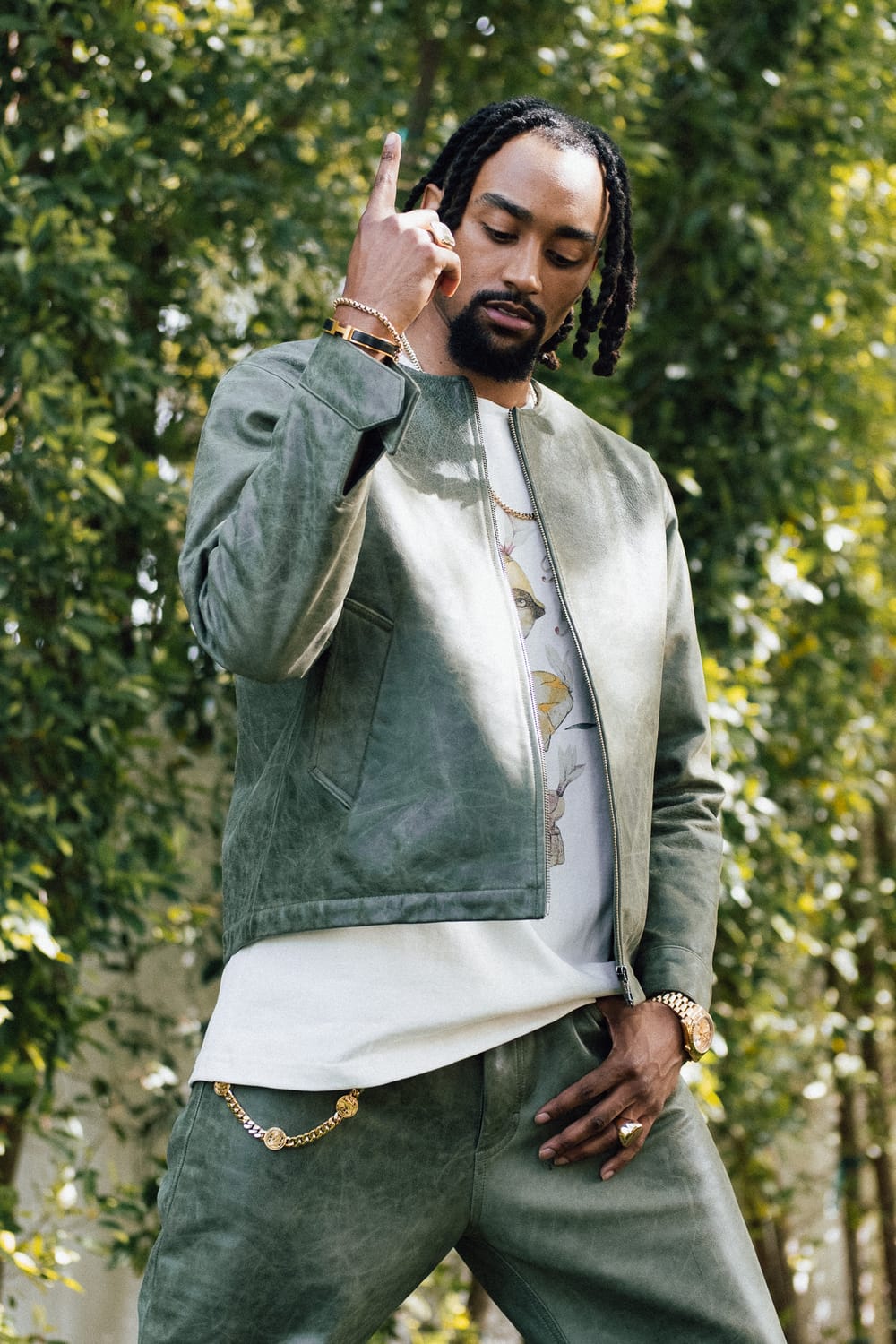
There wasn’t much glamour in it. No time to really experience the city. Just work. But something shifted for him in those rooms. Not just in the music, but in how he saw himself.
“Being around people like that, it opens your eyes,” he says. “You realize what’s possible.”
Still, the moments that defined him didn’t happen behind a mic. They happened in the quiet parts of his life.
“The biggest thing for me was giving my life to God,” he says. Then he pauses, like he’s choosing how to say the next part. “And having my daughters. That changed everything.”
Before that, music was there, but it wasn’t urgent. It didn’t have the same weight behind it. Fatherhood gave Darius music’s gravity. It gave his work direction.
“You don’t even know what’s inside of you until you have kids,” he says. “It brings a different kind of love. A different kind of drive.”
That shift shows up in ways that
aren’t always obvious at first listen. One of the most deliberate choices Martin has made is to keep his music clean. Not as a branding move, but as a personal standard.
“I want to play my music around my kids and not have to think about it,” he says. “And one day, when I have grandkids, I want it to still feel right.”
It’s a steady discipline. For Martin, success isn’t something you can measure in numbers alone. He brings up Marvin Gaye when trying to explain it, not for the hits, but for the intention behind them.
“It wasn’t just about love songs,” he says. “He was talking about what was really going on.”
That’s the space Martin is stepping into. Music that doesn’t just sit on the surface. Music that meets people where they actually are. The parts of life that don’t always get dressed up nicely. The loneliness, the doubt, the healing, the faith.
“I make songs for the younger version of myself,” he says. “Because there were times I felt like nobody understood what I was going through.”
But, honesty gets tested when life stops cooperating with your plans. Halfway through a tour, on the day of a show, Martin found out his uncle had passed away.
“My manager told me I didn’t have to perform,” he says. “But I knew what he would’ve wanted.”
So he went on stage anyway.
“I cried all day. Got on stage, did the show, got off, cried again.”
There’s no attempt to turn it into something inspirational. It’s just the truth of what it looks like to keep going when you don’t feel ready.
“At the end of the day, you just put it in God’s hands,” he says. “And you keep moving.”
A real tension lives inside Sorry No More. The album traces the emotional aftermath of a relationship, but it never feels like it’s asking for sympathy. It feels like someone sorting through their own thoughts in real time, letting you listen in.
If you’re looking for an entry point, he points to the title track. “That’s for anybody going through something,” he says. But when asked about his favorite, he doesn’t hesitate.
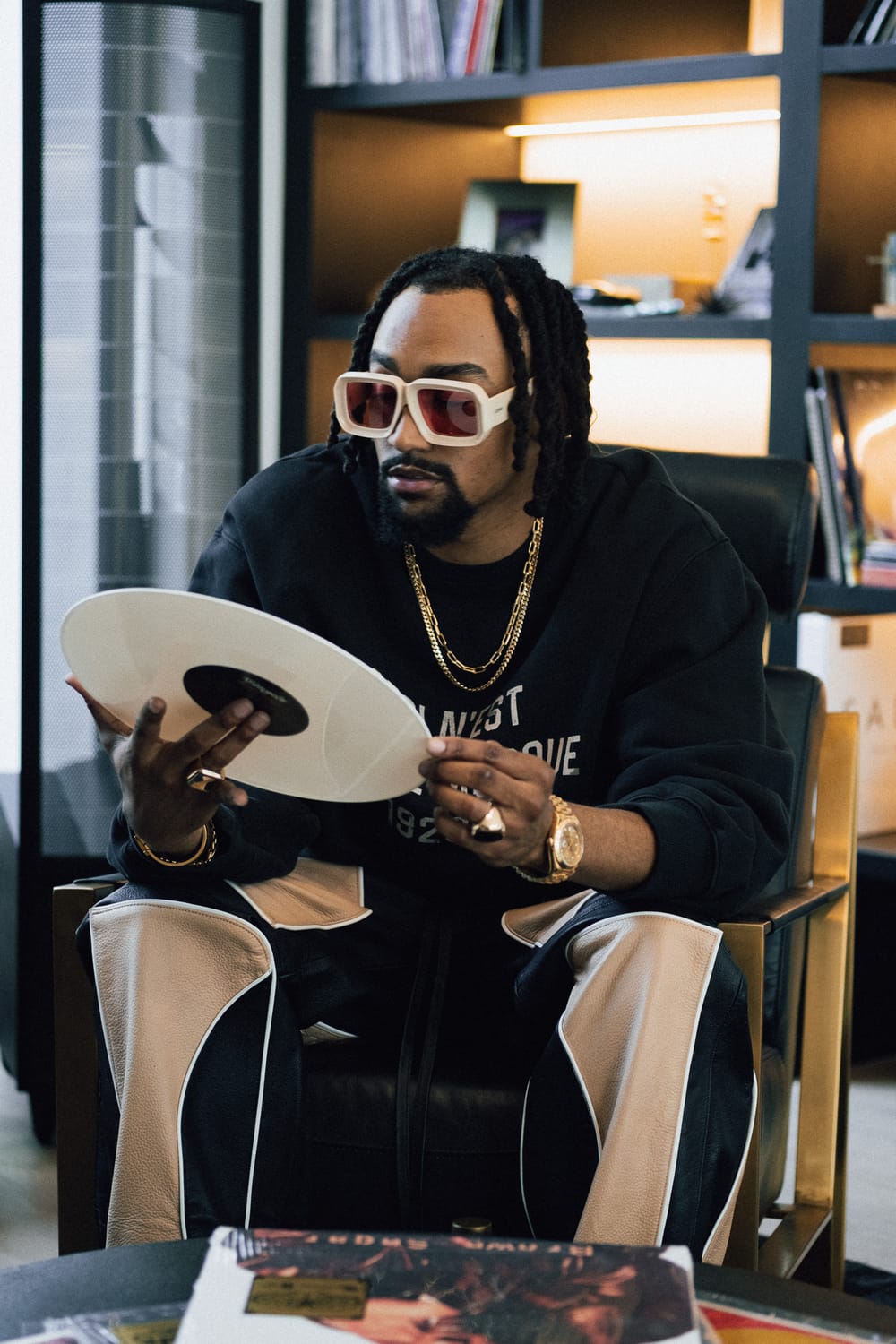
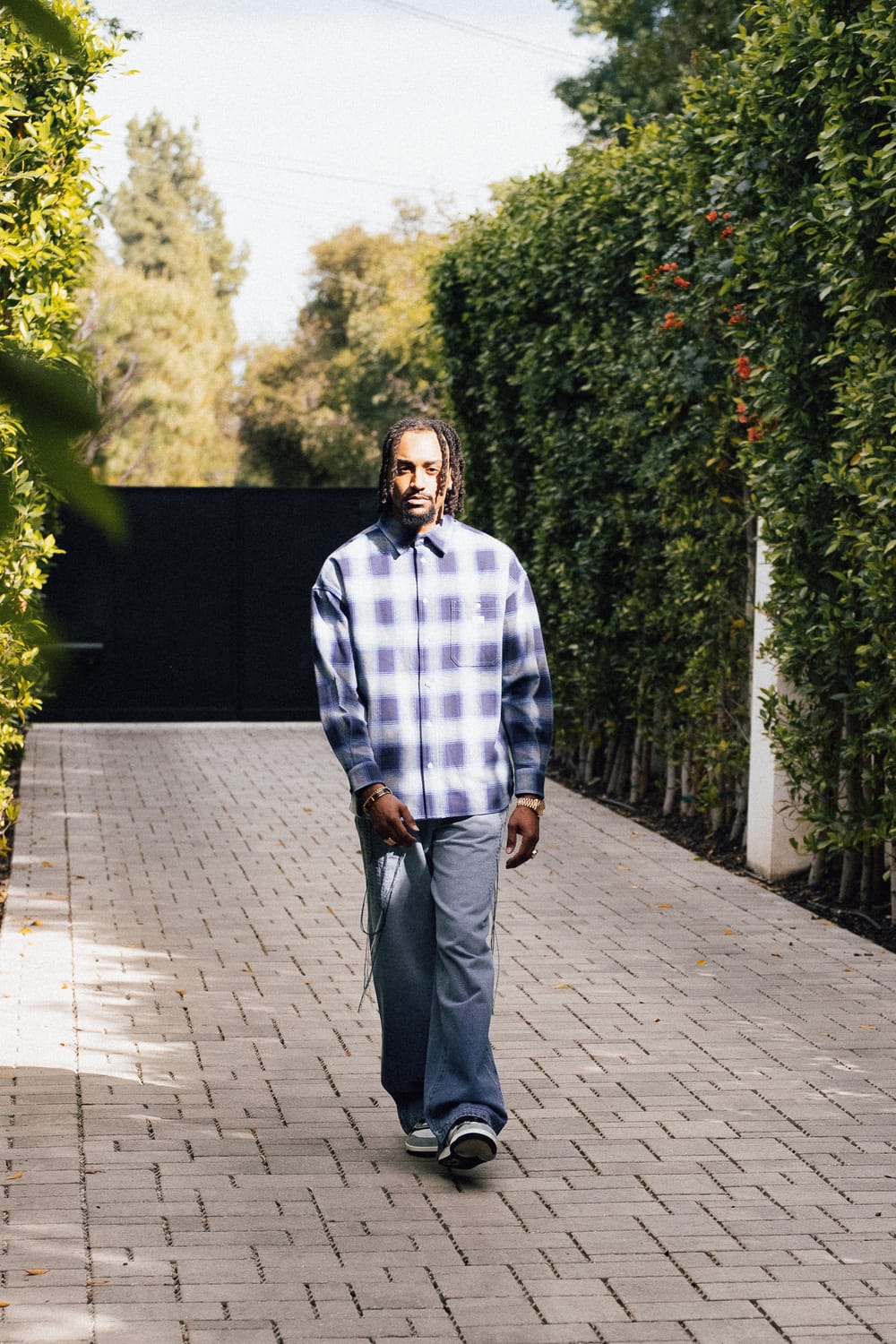
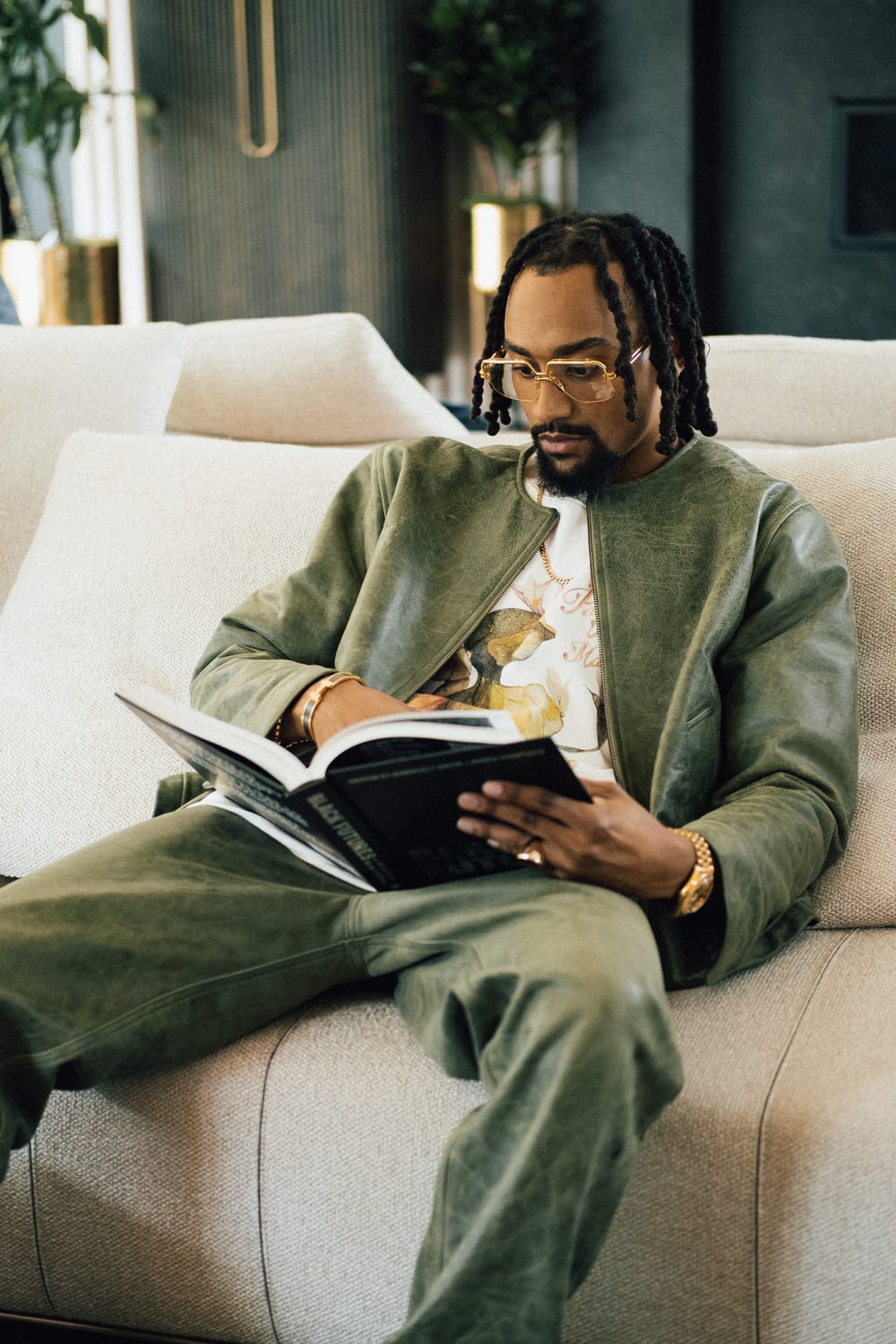
“‘Love You,’” he says. “That’s the one.”
There’s something about the last song on an album. It usually holds whatever the artist couldn’t say anywhere else.
For Martin, what he’s building goes beyond the music itself.
“I just want to do it the right way,” he says.
Not perfectly. He’s clear about that. There’s no illusion that he has everything figured out. But there is a sense of direction, and that matters more to him than image.
“We’re all going to mess up,” he says. “It’s about how you get back up and keep going.”
He’s aware of the position he’s in, whether he asked for it or not. The way younger people watch, absorb, mirror.
“Even if you don’t think you’re a role model, somebody’s watching you,” he says. “They’re taking it all in.”
So he moves with that in mind. Not heavy-handed or forced. Just aware.
And slowly, the connection is coming back to him. Not in loud, obvious ways. In small, real ones. His dad playing the album at the gym. Someone he’s never met telling him they’ve had a song on repeat. Crowds singing his lyrics back to him.
“That’s the best part,” he says. “Those moments. That energy.”
There’s more ahead. More music already finished, waiting to be mixed. More shows on the calendar. More growth happening quietly behind the scenes.
But he doesn’t sound like he’s chasing the next high.
“I’m always in the studio,” he says. “Just working.”
Just a man who knows what he believes, and is trying, in his own way, to live it out loud.
credits
talent
Darius Martin - @dariusmartinofficial
photographer
Clint Porte - @paper.clint
cinematographer
Clint Porte - @paper.clint
interviewer
Clint Porte - @paper.clint
key hair
Amadora Biscette - @doitlikeamadora
THE NEWSLETTER
Subscribe to the Alpha Magazine newsletter to stay informed, hipped and aware of all things happening in the Alpha brand. This includes exclusive news & events, products and promotions. You may opt-out of our newsletter, hassle-free.
YOU MIGHT ALSO LIKE

MEN'S & WOMEN'S EMPOWERMENT
THE ALPHA GROUP
MEDIA & PUBLICITY
RESOURCES
LOS ANGELES, CA